Pollo AI(在新窗口中打开)创立的前提是,人们应当能够将自己的创意想法转化为成品图像和视频,而无需具备制作专业知识。即便有了生成式AI,创作者和营销人员仍可能在各种工具之间迷失方向,并在不同模型之间难以抉择,以获得他们想要的结果。有些人甚至可能沮丧地放弃自己的项目。
“我们想为视频做的事,就像Canva为设计所做的那样。我们希望把它做得足够简单,让更多人真正能够使用它,而不仅仅是那些已经知道怎么做的人。”Pollo AI创始人兼首席执行官Bill Zhu解释道。如今,Pollo AI服务超过2600万用户,他们使用该平台创作视频、广告和视觉内容。
“随着OpenAI的模型不断改进,Pollo希望支持的更多工作流已经在产品内变得可行。这意味着用户可以从更简单的输入开始,花更少时间摸索流程,并更可靠地获得更强的输出结果。”
—Bill Zhu,Pollo AI创始人兼首席执行官
该团队的第一个突破是视频模板。如今,30%的创作者会话从这些模板或热门格式工作流开始。在这一成功基础上,公司最新的产品是Pollo Agent。它使用OpenAI模型,包括GPT‑6 Astra和GPT‑Image‑2.5,为视频创作提供全程引导式工作流,其中包括这位Pollo AI用户创作的末日冒险作品。
将用户的创意意图转化为成品内容
Pollo Agent会解读用户粗略的想法和视觉参考,然后发展出故事情节、场景流程和脚本。首席技术官Peter Zhou表示,OpenAI模型在理解模糊创意输入的能力及其多模态能力方面表现突出,并分享道:“GPT‑5.6在这方面表现尤其出色。”团队还表示,他们看重OpenAI API的稳定性和发布节奏。
为了平衡推理深度、速度和成本,Pollo AI使用GPT‑5.6进行路由,并使用GPT‑6 Astra处理更具挑战性的工作,例如发展叙事或规划场景修改。这种模型组合让系统能够根据用户的提示,将推理水平与任务相匹配。Pollo AI报告称,用户在选择或切换模型上花费的时间减少了50%以上,从而有更多时间用于创作。
Pollo AI会针对真实用户提示和工作流测试生成模型,评估输出质量、一致性、风格范围、速度和成本。GPT‑Image‑2.5被选中负责图像生成,帮助创作者制作海报、故事板和营销活动视觉素材。
“如果我们收到用户生成图像的任何任务,我们总是使用GPT-Image-2.5。它尤其擅长处理不同类型的角色和文字。”
—Peter Zhou,Pollo AI首席技术官
将产品照片转化为视频
Pollo AI的主要用户是内容创作者,该平台在制作由AI和真人演员共同出演的微短剧方面尤其受欢迎。然而,越来越多的营销人员和企业主也开始使用Pollo AI,快速且轻松地开发视频内容。
Pollo在其Marketing Studio套件中的Photo to Video Ads工具使用OpenAI模型,将静态图像和提示转化为短视频。它旨在帮助小企业和DTC品牌在几分钟内而非几天内生成用于社交媒体的产品广告。
一位Pollo AI用户想用一张产品照片制作一支感觉奢华的香水广告。仅凭静态照片无法传达这种氛围,而专业视频拍摄又超出了他们的预算。
使用Photo to Video Ad,该用户将自己的起始图像转化为一支约15秒的视频广告。该工具生成了天鹅绒质感、暖色聚光灯和香水瓶特写,在整个序列中营造氛围,并以香水置于深红色织物前的画面收尾。
使用GPT‑Image‑2.5打造奢华广告大片
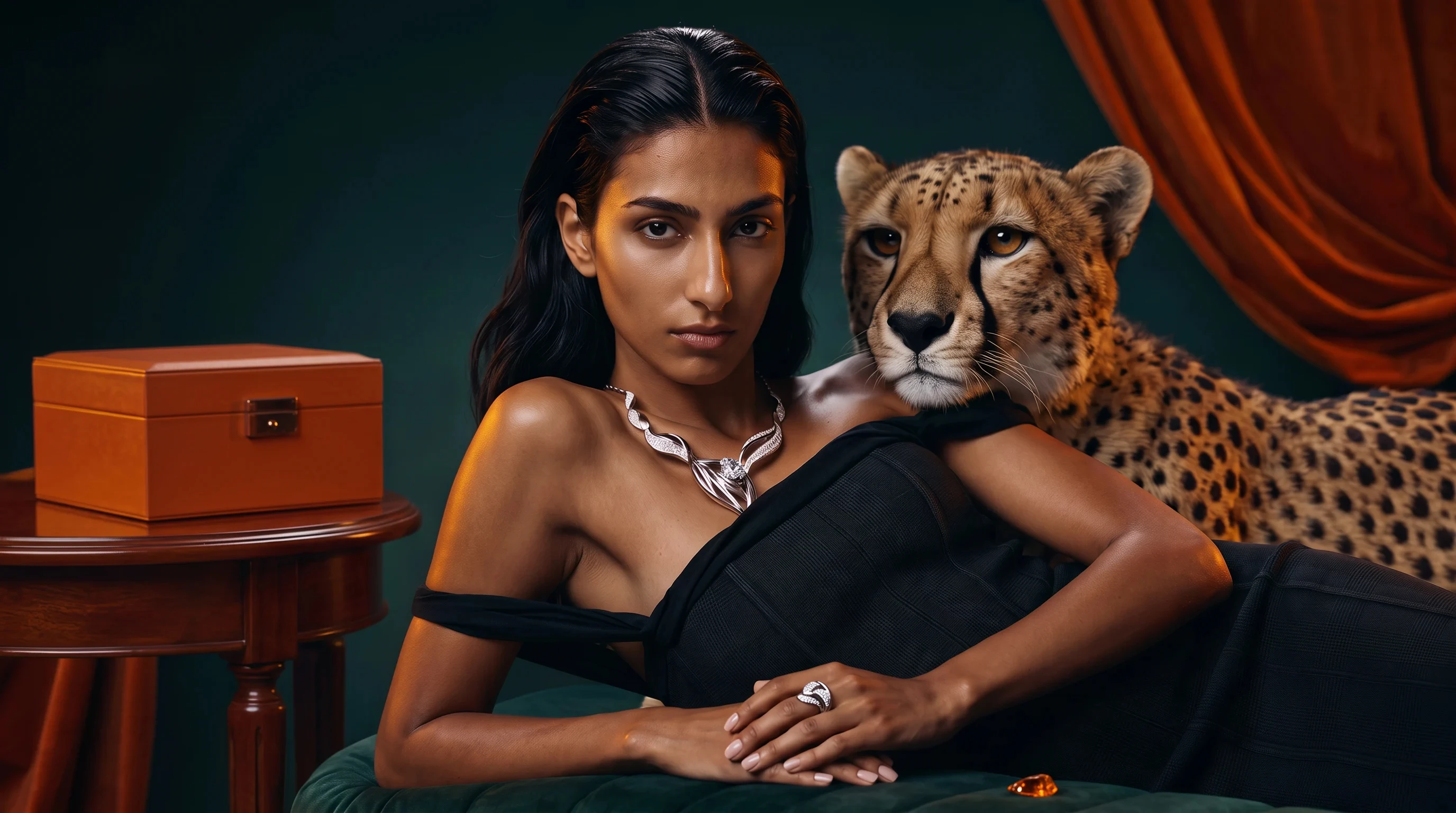
另一位客户是一家珠宝品牌,想要一张大胆的时尚大片风格广告图,但其预算无法支撑高概念棚拍。
使用Pollo Agent和GPT‑Image‑2.5,该品牌得以将其创意愿景——模特佩戴其醒目珠宝,坐在猎豹旁边——变为现实。该工具以深色帷幔和暖色灯光构图,并确保该品牌的珠宝产品高度可见。
与实拍相比,客户以更低的生产投入、时间和成本获得了一张完成的奢华广告视觉图。
将产品照片转化为魔法世界
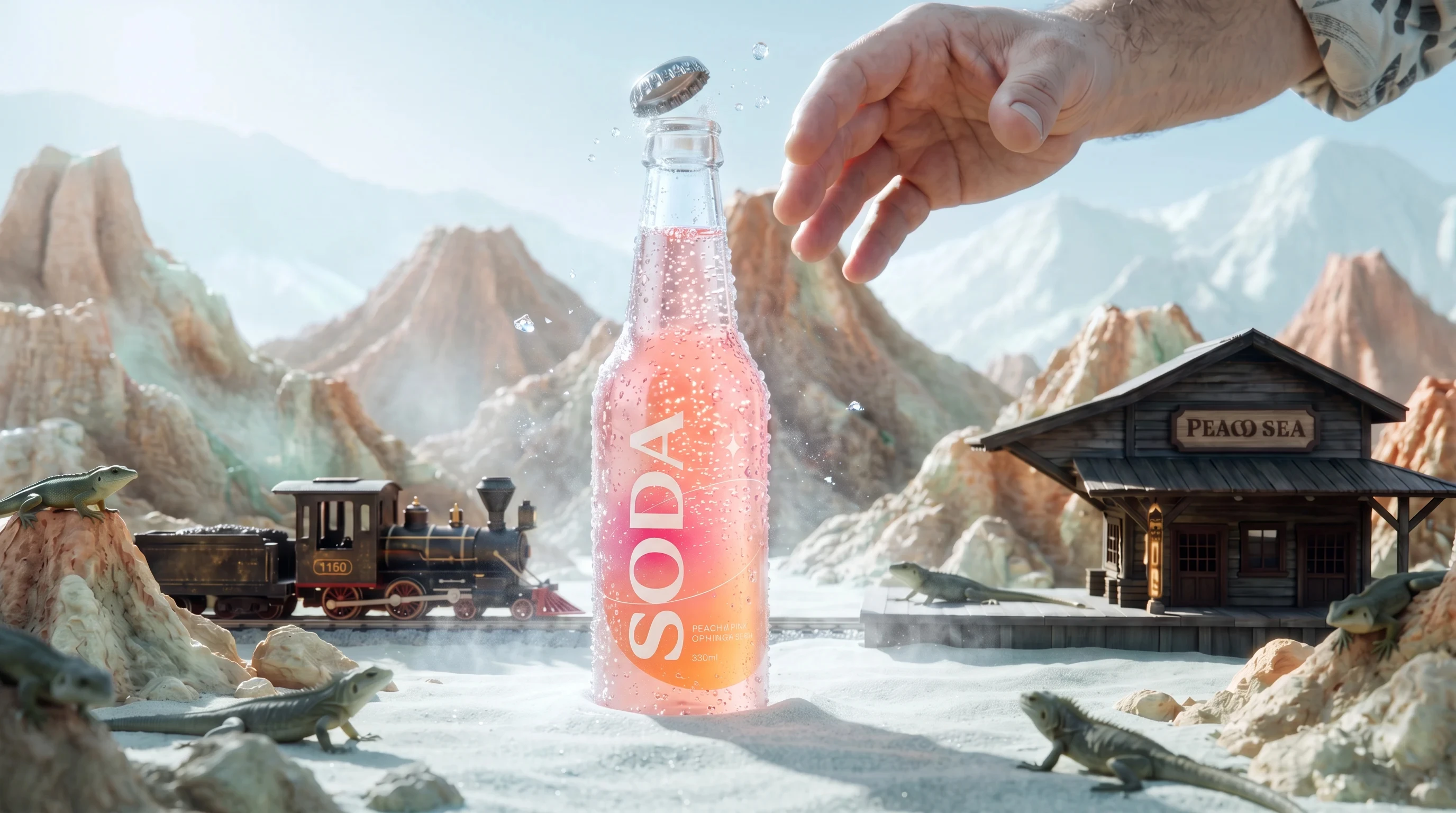
Pollo AI还让客户可以轻松地从一张产品照片开始,并利用OpenAI模型将其转化为更具创意的图像。例如,一个饮料品牌希望其桃子汽水在一场广告活动中显得俏皮而富有想象力,但标准棚拍产品图无法捕捉团队心中的想法。
使用Pollo Agent和GPT‑Image‑2.5——它为创意工作流带来更清晰的细节和更快的生成速度——团队将一张简单的瓶子图像转化为一片白雪覆盖的微缩景观,其中还有火车、蜥蜴和闪闪发光的水滴。最终图像创造了一个俏皮场景,品牌可将其用于广告活动。
AI视频的下一步
Pollo希望AI视频在未来12个月内成为日常内容创作的一部分。对Zhu而言,这取决于让把一个想法转化为可发布、可测试或可用于广告活动的素材变得更容易,而随着OpenAI模型和图像生成的持续改进,Pollo AI有能力实现这一点。
“我们认为,内容创作中的AI转变将有利于那些从一开始就让创作更具可重复性的产品,它们拥有更强的格式、更少的试错,以及围绕模型本身更简单的工作流。”他说。
Pollo AI(opens in a new window) was founded on the premise that people should be able to turn their creative ideas into finished images and videos without needing production expertise. Even with generative AI, creators and marketers can struggle to navigate different tools and choose between models to get the result they want. Some may even abandon their projects in frustration.
“We want to do for video what Canva did for design. We want to make it easy enough that more people can actually use it, not just the ones who already know how,” explains Bill Zhu, the founder and CEO of Pollo AI. Today, Pollo AI serves more than 26 million users who use the platform to create videos, ads, and visual content.
“As OpenAI’s models have improved, more of the workflows Pollo wanted to support have become practical inside the product. That means users can start from simpler inputs, spend less time figuring out the process, and get to stronger outputs more reliably.”
—Bill Zhu, Founder and CEO, Pollo AI
The team’s first breakthrough was video templates. Now, 30% of creator sessions start from these templates or trending-format workflows. Building on this success, the company’s latest offering is Pollo Agent. It uses OpenAI models, including GPT‑6 Astra and GPT‑Image‑2.5, to provide a fully guided workflow for video creation, including this post-apocalyptic adventure from a Pollo AI user.
Turning the user’s creative intent into finished content
Pollo Agent interprets the user’s rough ideas and visual references, and then develops storylines, scene flows, and scripts. CTO Peter Zhou says OpenAI models stood out for their ability to understand ambiguous creative inputs and their multimodal capability, sharing: “GPT‑5.6 performed especially well there.” The team also said they value the OpenAI API’s stability and release cadence.
To balance reasoning depth, speed, and cost, Pollo AI uses GPT‑5.6 for routing and GPT‑6 Astra for more challenging work, such as developing a narrative or planning scene revisions. This model mix lets the system match the level of reasoning to the task based on the user’s prompt. Pollo AI reports that users spend more than 50% less time choosing or switching models, giving them more time for creativity.
Pollo AI tests generative models against real user prompts and workflows, evaluating output quality, consistency, stylistic range, speed, and cost. GPT‑Image‑2.5 was selected to handle image generation, helping creators make posters, storyboards, and campaign visuals.
“If we receive any task from a user to generate an image, we always use GPT-Image-2.5. It’s especially good at working with different types of characters and letters.”
—Peter Zhou, CTO, Pollo AI
Converting product photos into videos
Pollo AI’s primary users are content creators, and the platform is especially popular for creating micro dramas with both AI and human actors. However, more marketers and business owners are starting to use Pollo AI to develop video content quickly and easily too.
Pollo’s Photo to Video Ads tool in its Marketing Studio suite uses OpenAI models to turn a still image and prompt into a short video. It’s designed to help small businesses and DTC brands generate product ads for social media in minutes rather than days.
One Pollo AI user wanted to use a product photo to make a fragrance ad that felt luxurious. The static photo alone could not convey that mood, and a professional video shoot was beyond their budget.
Using Photo to Video Ad, the user turned their starting image into a roughly 15-second video ad. The tool generated velvet textures, warm spotlights, and close-ups of the bottle to establish the mood across the sequence and ended it with the fragrance framed against deep red fabric.
Creating a luxury campaign with GPT‑Image‑2.5
Another customer, a jewelry brand, wanted a bold editorial campaign image, but its budget could not stretch to a high-concept studio shoot.
Using Pollo Agent and GPT‑Image‑2.5, the brand was able to turn its creative vision of its statement jewelry on a model seated beside a cheetah into reality. The tool framed the scene with dark drapery and warm lighting and ensured that the brand’s jewelry products were highly visible.
The customer got a finished luxury campaign visual with lower production effort, time, and cost compared to live shoot.
Turning product shots into magical worlds
Pollo AI also makes it easy for customers to start with a product photo and leverage OpenAI models to turn it into an image that’s far more creative. For example, a beverage brand wanted its peach soda to feel playful and imaginative in an advertising campaign, but a standard studio product shot could not capture what the team had in mind.
Using Pollo Agent and GPT‑Image‑2.5, which brings sharper details and faster generation to creative workflows, the team transformed a simple bottle image into a snowy miniature landscape, complete with a train, lizards, and sparkling droplets. The finished image created a playful scene the brand could use in its campaign.
What’s next for AI video
Pollo wants AI video to become part of everyday content creation over the next 12 months. For Zhu, that depends on making it even easier to turn an idea into an asset ready to post, test, or use in a campaign, something Pollo AI is enabled to deliver with the continued improvement of OpenAI models and image generation.
“We think the AI shift in content creation will favor products that make creation more repeatable from the start, with stronger formats, less trial and error, and a simpler workflow around the models themselves,” he says.
本文内容采集自官方网站,排版和翻译可能与原页面存在差异。
阅读官方全文